Window Tint
Window tint is a thin, multi-layered laminate film (usually made of polyester) that is applied to the interior or exterior of glass surfaces. While most commonly associated with cars, it is also frequently used on the windows of homes and commercial buildings.
Think of it as sunglasses for your windows—it changes how light and heat interact with the glass to provide several functional and aesthetic benefits.
How It Works
Window tint works through three primary scientific principles:
- Reflection: Bouncing solar energy away from the glass.
- Absorption: Trapping heat and UV rays within the film itself.
- Transmission: Allowing only a specific percentage of visible light to pass through.
The “darkness” of a tint is measured by VLT (Visible Light Transmission). For example, a 5% tint (often called “limo tint”) is very dark because it only lets 5% of light through, while a 70% tint is very light and nearly transparent.
Common Types of Tint
| Type | Performance | Best For… |
| Dyed | Basic heat/glare reduction; can fade over time. | Budget-friendly aesthetics. |
| Metalized | High heat rejection; very durable. | Maximum heat reflection (may interfere with GPS/cell signals). |
| Carbon | Matte finish; blocks 40% of infrared heat; doesn’t fade. | Long-lasting protection and a sleek look. |
| Ceramic | The “Gold Standard”; blocks 99% of UV and massive heat. | High-end performance without signal interference. |
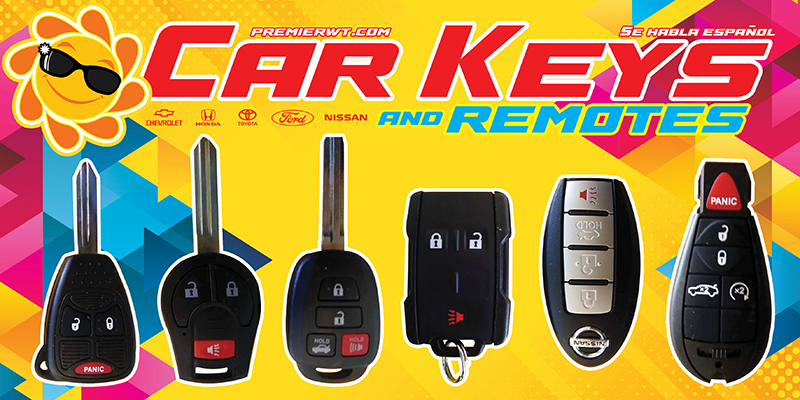
Car Keys and Remotes
- Key Duplication: Creating a spare from an existing key. This is the cheapest and fastest service.
- Key Replacement (Lost Keys): Generating a new key from scratch using your Vehicle Identification Number (VIN).
- Fob Programming: Syncing a new electronic remote or “smart key” to your car’s computer.
- Emergency Lockout: Non-destructive entry into your vehicle if your keys are locked inside.
- Broken Key Extraction: Safely removing a snapped key from the ignition or door lock without damaging the cylinder.